Make America Horny Again in Dallas Tx
Skip to main carte Skip to folio content Skip to footer
Texas State Symbols
These are officially Texas.
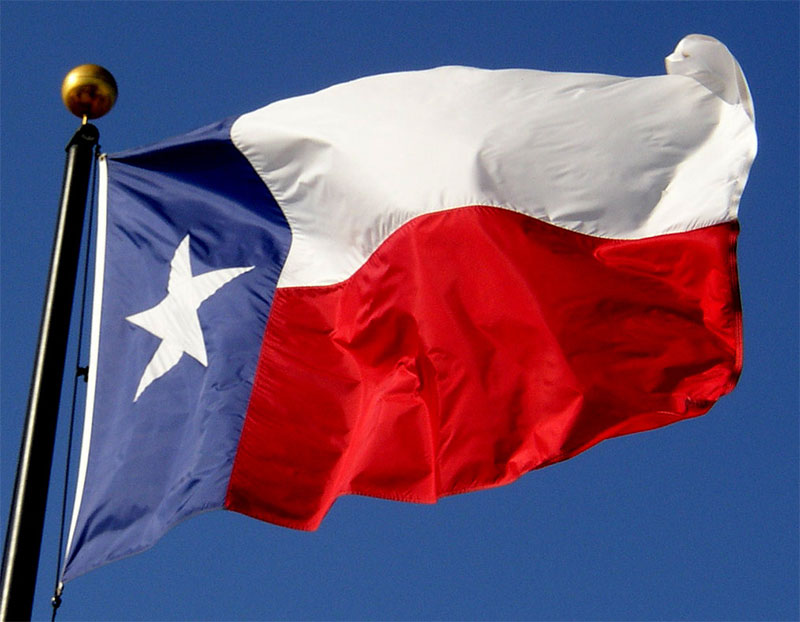
Flag: Lone Star Flag
Instantly recognizable, the Lonely Star Flag was originally designed by Texas Constitutional Convention consul Dr. Charles Bellinger Stewart and was adopted past the Congress of the Republic of Texas in 1839. Austin creative person Peter Krag was paid a fee of $10 (most $200 in current dollars) to make an architectural rendering of Stewart's original freehand flag design. Similar the Us flag, the red, white, and blue colors in the Lone Star flag stand for courage (red), purity and liberty (white), and loyalty (blue).
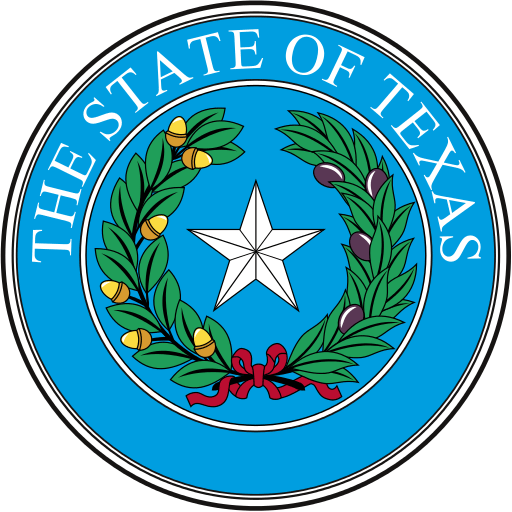
Seal: Great Seal of the State of Texas
In 1839, at the aforementioned fourth dimension as information technology adopted the Lone Star Flag, the Congress of the Republic of Texas adopted a national seal with a Lonely Star surrounded by a wreath of an olive co-operative and a live oak branch. Peter Krag, who made the rendering of the Alone Star flag, made a rendering of this design likewise. The seal of the Republic was modified in 1846 to become the Texas state seal. In 1991, the 72nd Legislature clarified the design of the opposite side of the seal which at present features a five-pointed star, the Battle of Gonzales cannon, Vince's Bridge, the Alamo, the six flags that have flown over Texas, and the mottoes "Remember the Alamo" and "Texas Ane and Indivisible."
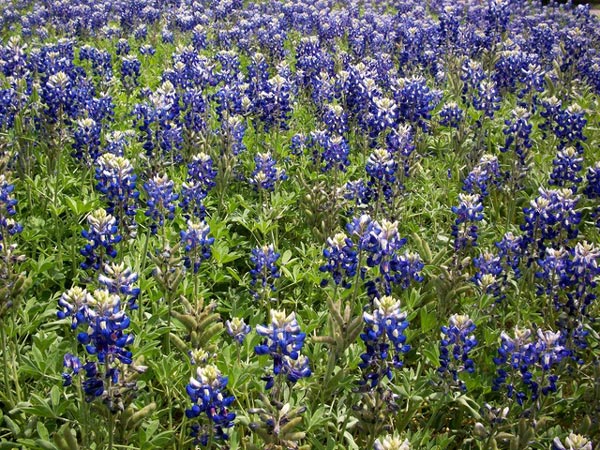
Flower: Bluebonnet
Edging out suggestions for the cotton wool boll and the prickly pear cactus, the native bluebonnet (Lupinus subcarnosis) was named the state flower in 1901. A contend went on for years, however, equally to which species of bluebonnet was the most beautiful and appropriate to represent the Alone Star state. In 1971, the Legislature issued a concurrent resolution that cleared upwards the affair: "RESOLVED… that the Lupinus texensis and any other variety of bluebonnet not heretofore recorded be recognized along with the Lupinus subcarnosis as the official country flower of the State of Texas." Its appearance from late March through early Apr signals to Texans that jump is here and that the long, hot summer is just around the corner. Since the 1930s, this beloved symbol of springtime has been planted along Texas highways.And although it is not illegal to option a bluebonnet, information technology is illegal to tresspass on private property to collect i or to take your annual Texas springtime shapshot.
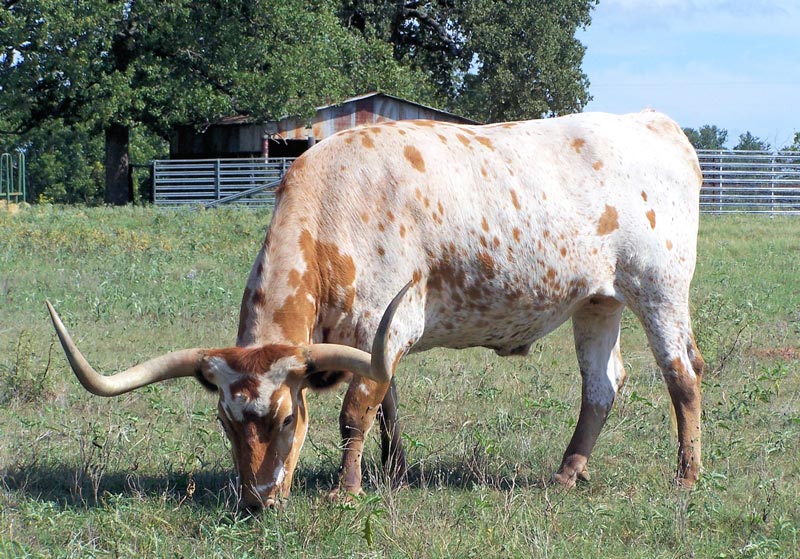
Large Mammal: Texas Longhorn
The Texas longhorn is a hybrid of Castilian and English cattle and is known for its extremely long horns, tough hooves, and full general hardiness. It became a symbol of the Texas cattle drives in the 1860s and 1870s. After the finish of the open range, longhorns were almost bred out of beingness, simply were saved by breeders in the 1920s for exhibit in Texas state parks. Soon after, ranchers rediscovered the tough and well-adapted cattle and they have been a mainstay of Texas ranching operations ever since. The longhorn became the large mammal symbol of Texas in 1995. Other official mammal land symbols include the armadillo (designated in 1927) and the Mexican complimentary-tailed bat (1995).
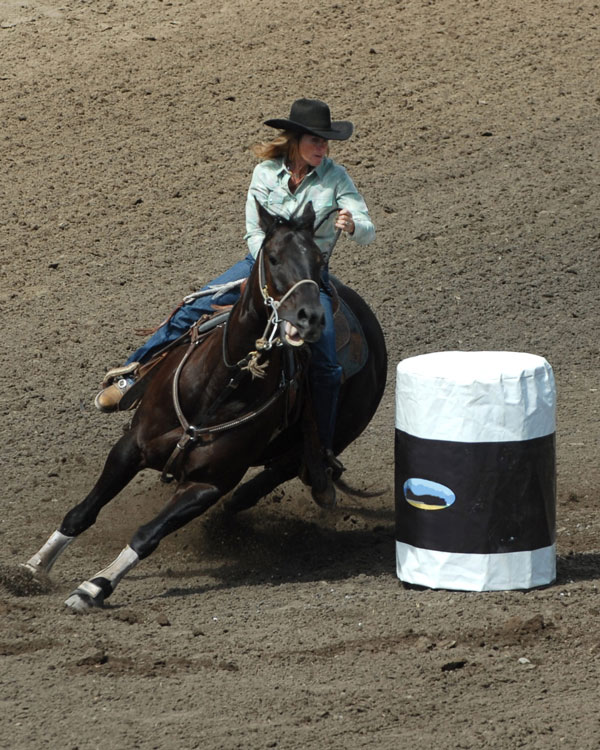
Sport: Rodeo
The Texas rodeo has its roots in the Spanish cattle culture of the 1700s. As the cattle industry grew and flourished, Mexican vaqueros and their successors, the American cowboys, began to stage competitions to test their riding and roping skills. By the late 1800s, rodeos were commonplace in Texas, peculiarly at Quaternary of July festivities. Wild West shows, such as those staged past "Buffalo Bill" Cody, popularized the sport around the country. Rodeo became a formally organized sport nether a permanent governing body in 1936. Many Texas cowboys and cowgirls remain ascendant forces in the sport today.
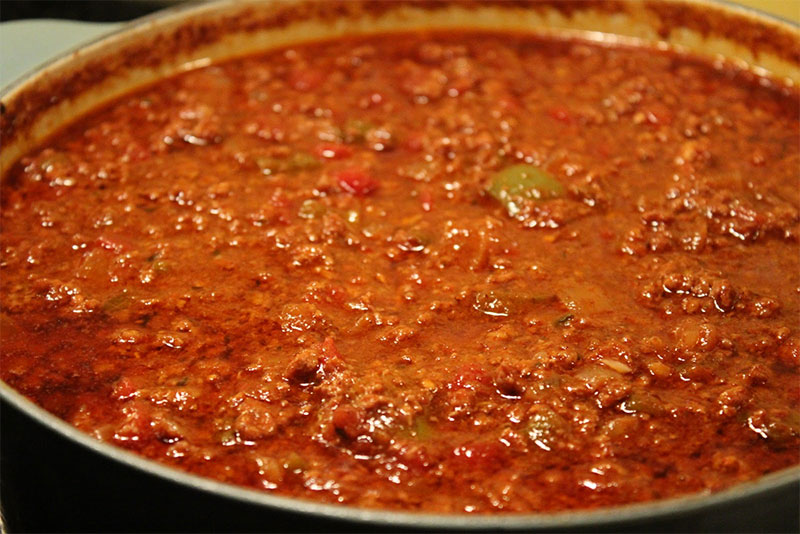
Dish: Chili Con Carne
Chili con carne (chili with meat) was a trail stew that cowboys made with dried beef and dried chilies. Today, chili con carne is ordinarily made with fresh chuck roast or ground beefiness with a mix of chilies. Recipes are often family traditions and closely guarded secrets. The chili may be served with garnishes such every bit cilantro, dark-green onions, or cheese, along with warm tortillas. Chili con carne was designated the state dish in 1977. Today, chili cook-offs are a state pastime. Debates rage about the virtually authentic way to prepare Texas chili con carne, simply 1 rule is absolute—no beans!
Insect: Monarch Butterfly
Texas is home to more butterfly species than any other state—at least 400. The monarch butterfly was designated the state insect in 1995. The near recognizable butterfly in N America, the monarch flies through Texas every spring and autumn on its epic migration to wintering grounds in Mexico. At times, the butterflies fill the Texas sky and gather on the trees by the hundreds or thousands. As wild habitat becomes scarcer, many Texans plant butterfly gardens to attract and provide shelter for the beautiful insects.

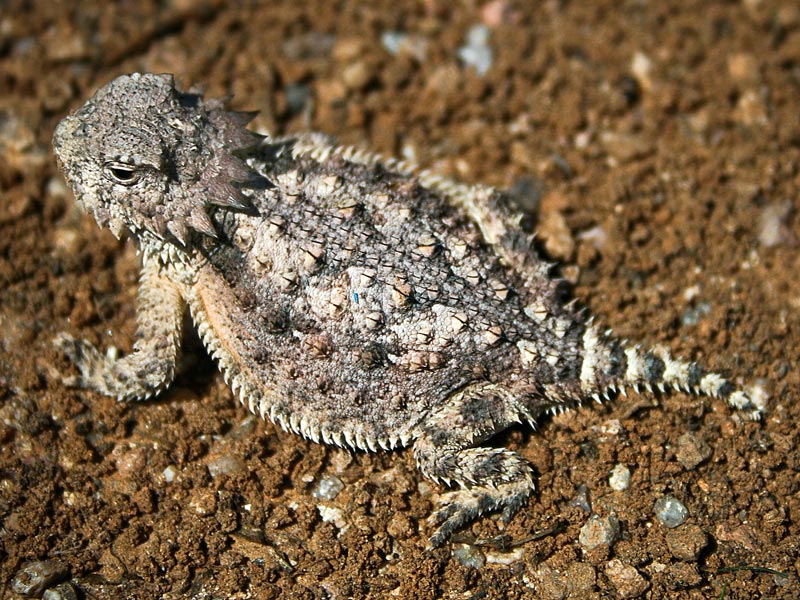
Reptile: Horned Lizard
Most Texans telephone call the state reptile a horny toad, but it is actually a horned lizard. Named the country reptile in 1993, the small spiny creatures are renowned for their tough-guy appearance and startling defence force strategies, which include squirting blood from their eyes and puffing up their bodies to twice the normal size. Once commonplace in every part of the country except the East Texas piney woods, horned lizards are now a threatened species due to habitat loss, over-collection equally pets and curios, and the invasion of non-native fire ants from South America.
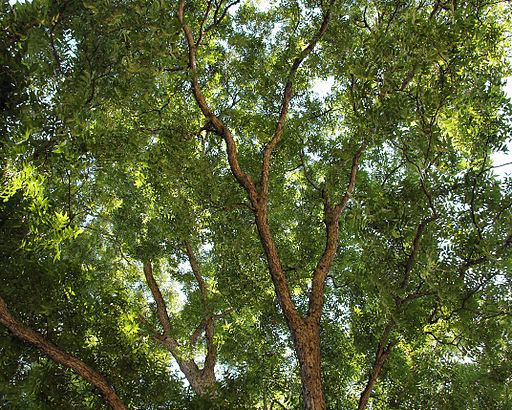
Tree: Pecan Tree
Earlier he died in 1906, former governor James Stephen Hogg requested that a pecan tree marker his grave. As a result, the native tree rose in popularity. It was declared the country tree in 1919. Widespread in the wild and popular as a yard tree, the pecan is native to Texas and produces the state's simply commercially grown nut. Millions of pounds of the soft-shelled, sweet-meat nuts are harvested annually for use in pies, candy, and other treats.
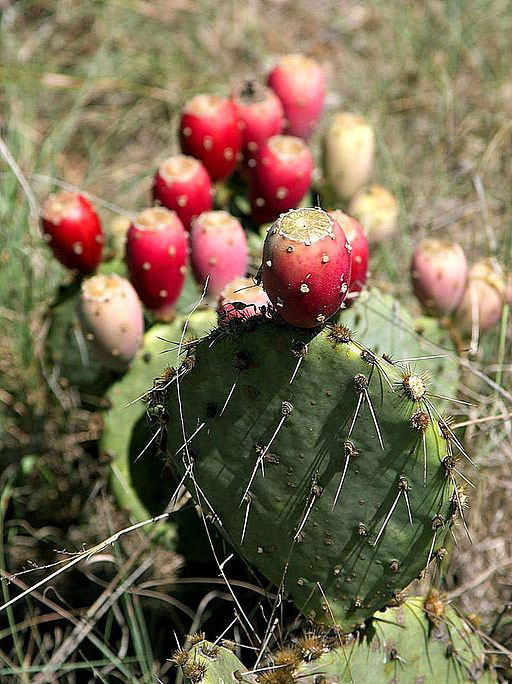
Plant: Prickly Pear Cactus
More than 100 species of the abundant wild cactus grow in Texas, the most of any state. This multi-purpose cactus became the state plant in 1995. Ranchers burn the spines from the pads (called nopalitos) and use them for cattle feed. Grilled, boiled, and chopped nopalitos are used in Tex-Mex cuisine. The juicy, blood-red, prickly pear fruits are often made into jams and jellies, pies, and wine. Since it is a native cactus and can tolerate drought, prickly pear cacti are regular features of Texas xeriscaping.
Source: https://www.thestoryoftexas.com/education/texas-symbols

Postar um comentário for "Make America Horny Again in Dallas Tx"